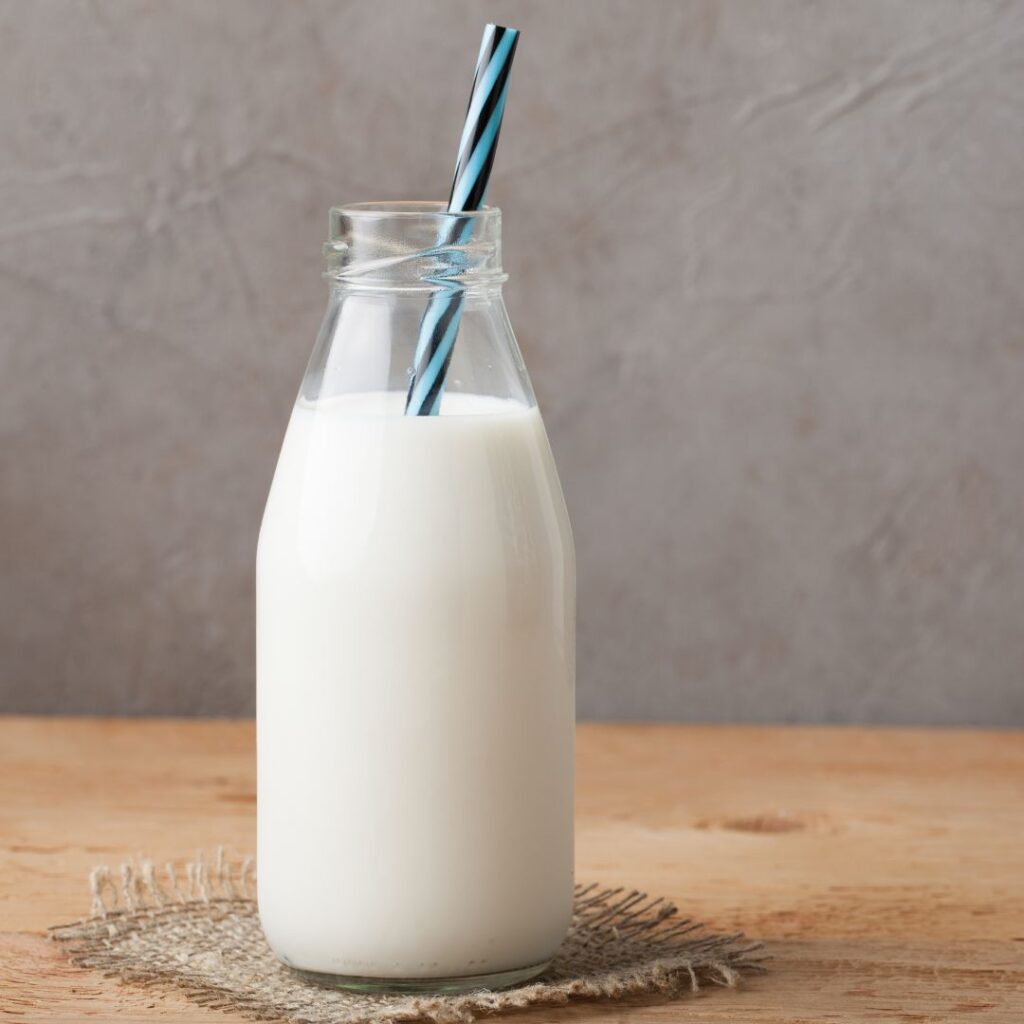

Here’s a breakdown of the various types of milk and milk alternatives, what they mean, and which ones might be the healthier choices.
Dairy Milk
Dairy milk has long been a household staple and is rich in calcium, protein, and essential vitamins like D and B12. It comes in several varieties:
1. Full cream (whole) milk: Contains about 3.5% fat, making it creamy and rich in taste. It’s high in calories but packed with essential nutrients.
2. Reduced-fat milk: Has about 1-2% fat and fewer calories, making it a lighter alternative while still offering many of the same nutrients.
3. Skim milk: Contains less than 0.1% fat and is significantly lower in calories. However, the lack of fat can make it less satisfying, and the fat-soluble vitamins need to be fortified.
Health verdict: Dairy milk is a good source of protein and calcium, but if you’re watching your calorie or fat intake, reduced fat or skim options might be a better choice. However, some individuals are lactose intolerant, making milk alternatives more suitable.
Milk Alternatives
For those avoiding dairy due to lactose intolerance, dietary preferences, or ethical concerns, plant-based milk alternatives are increasingly popular. Here’s what each one offers:
1. Almond Milk: Almond milk is low in calories and has a subtle nutty flavour. It is typically fortified with calcium and vitamins to match the nutrient content of dairy milk.
Health benefits: Low in calories and fat, making it a great option for those watching their weight. However, it’s lower in protein compared to dairy milk.
Best for: Those looking for a light, nutty-flavoured milk with low calories.
2. Soy Milk: Soy milk is one of the closest plant-based alternatives in terms of protein content. It’s made from soybeans and often fortified with vitamins and minerals, including calcium.
Health benefits: Rich in protein, comparable to dairy milk, and contains healthy unsaturated fats.
Best for: Those looking for a high-protein, lactose-free milk alternative.
3. Oat Milk: Oat milk is made by soaking and blending oats with water. It’s naturally sweet and has a creamy texture, making it popular in coffee and lattes.
Health benefits: Oat milk is higher in carbohydrates and fibre than other plant-based milks. It also contains beta-glucans, which can help lower cholesterol levels.
Best for: People looking for a creamy, dairy-like texture and extra fibre.
4. Coconut Milk: Coconut milk has a rich, tropical flavour and is high in saturated fats, though lower in protein than dairy and other alternatives. It’s a popular choice for cooking in curries and desserts.
Health benefits: Contains medium-chain triglycerides (MCTs), which may help with fat metabolism, though it is calorie-dense.
Best for: Those seeking a rich, full-flavoured milk for cooking or indulgent drinks.

5. Rice Milk: Rice milk is made from milled rice and water, rice milk is one of the least allergenic alternatives. However, it is higher in carbohydrates and lower in protein.
Health benefits: A good option for those with nut, soy, or gluten allergies, though it lacks the protein found in other options.
Best for: Individuals with multiple allergies or sensitivities.
6. Pea Protein Milk: Pea protein milk is a newer milk alternative made from yellow peas. It’s high in protein and has a neutral taste, making it versatile for cooking and baking.
Health benefits: Similar in protein content to soy milk but with a lighter texture. It’s often fortified with calcium and vitamin D.
Best for: Those seeking a plant-based option with a high protein content without soy
Which Is Healthier?
Well, the answer really depends on your specific dietary needs. If you’re looking for:
Protein – soy milk and pea protein milk are your best bets. They offer protein levels similar to dairy milk.
Low calories – almond milk is usually the lowest in calories, followed closely by unsweetened versions of other plant-based milks.
High fibre – oat milk stands out for its fibre content, particularly beta-glucans, which can help lower cholesterol.
Fat control – skim milk or unsweetened almond milk are both very low in fat.
Cholesterol concerns – oat milk’s beta-glucans can help reduce cholesterol levels, making it a heart-healthy choice.
When choosing a milk alternative, also consider how it’s fortified. Many plant-based milks add vitamins D, B12, and calcium to mimic the nutritional profile of dairy milk, so it’s worth checking the labels.
Reach Out!
If in doubt – reach out! Speak to us today about having a one-on-one consultation with one our Accredited Dietitians. Get the dietary advice you need specifically for you. Contact us today.