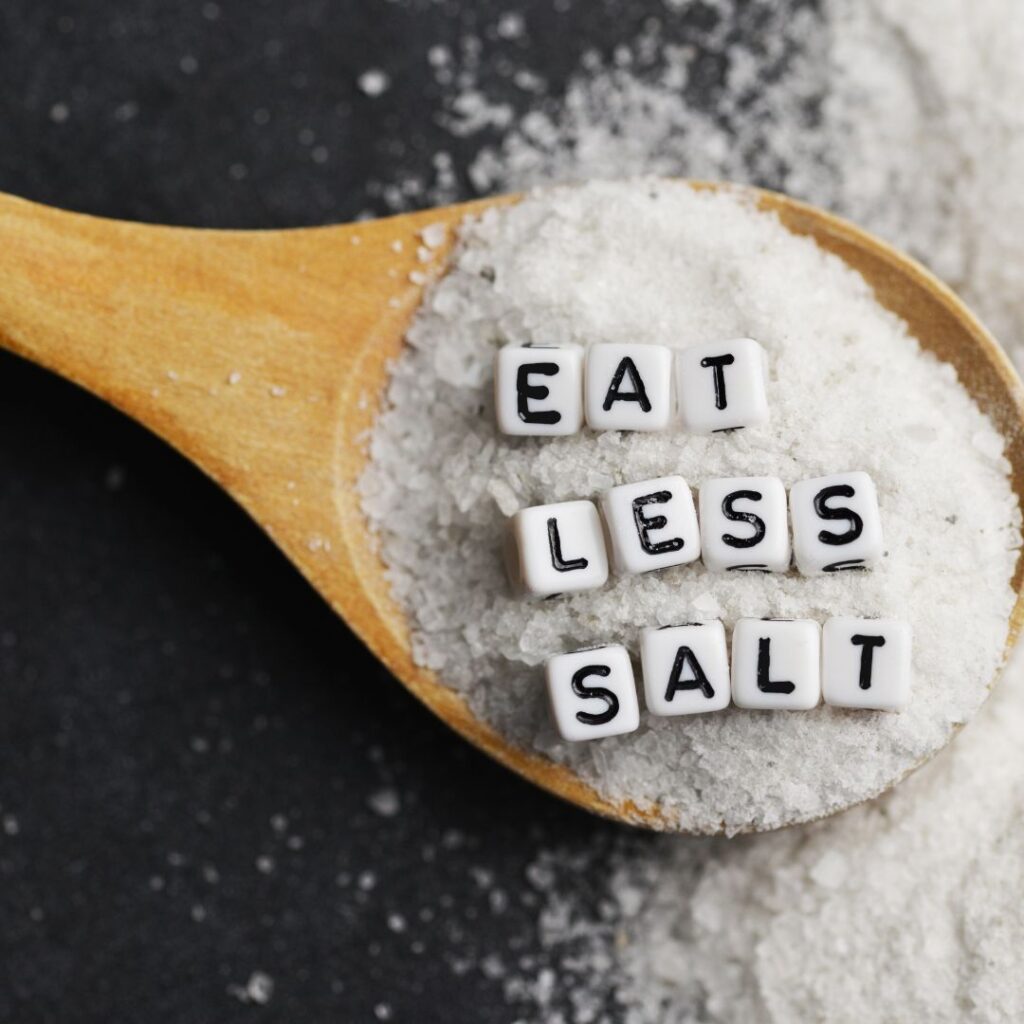

Sodium is an essential mineral that helps our bodies balance fluids, support nerve signals and keep muscles working well. But for many Australians, sodium intake is much higher than recommended — and most of it is not coming from the salt shaker. It is often hidden in everyday packaged, processed and takeaway foods, from breads and breakfast cereals to sauces, spreads, soups, processed meats, savoury snacks and ready-made meals.
Current Australian guidance recommends adults aim for around 2,000 mg of sodium per day, which is about 5 g of salt — roughly one teaspoon. However, Food Standards Australia New Zealand estimates Australians aged two years and older consume an average of around 2,150 mg of sodium each day from salt alone, with about 80% coming from processed foods and 20% from salt added at home. The Heart Foundation reports the average Australian adult eats close to 9 g of salt per day, almost double the recommended amount.
Why does this matter? A higher sodium intake is strongly linked with higher blood pressure. Over time, high blood pressure can increase the risk of heart disease, stroke and kidney disease. Building lower-sodium habits early is especially important for children, as taste preferences are shaped from a young age. Helping kids enjoy a range of flavours — not just salty ones — can support healthier eating habits for life.
Where sodium can hide
Many foods that taste obviously salty — such as chips, crackers and cured meats — are easy to spot. But sodium can also be present in foods that may not taste particularly salty, including bread, wraps, cheese, cooking sauces, stock powders, condiments, baked beans, tinned soups and some breakfast foods. This is why checking labels can be one of the most useful habits for families.
Simple ways to reduce sodium every day
Start by comparing products. Use the “per 100 g” column on the nutrition information panel to compare similar foods, and choose the lower-sodium option where possible. Products labelled “reduced salt” or “no added salt” can be helpful, but it is still worth checking the numbers, as sodium levels can vary widely between brands.
Next, flavour meals in other ways. Herbs, spices, garlic, ginger, onion, lemon juice, lime, vinegar and chilli can bring plenty of flavour without relying on salt. Try adding basil and oregano to pasta sauces, cumin and paprika to roasted vegetables, lemon and pepper to fish, or garlic and ginger to stir-fries.
At home, small swaps add up. Choose reduced-salt stocks, rinse canned beans and vegetables under water, pick fresh or frozen vegetables more often, and use smaller amounts of salty condiments such as soy sauce, tomato sauce, barbecue sauce and commercial marinades. If your family enjoys spreads, look for lower-sodium versions and keep portion sizes in mind.
Lunchboxes can also be a great place to make changes. Swap processed meats for roast chicken, tuna, boiled eggs, hummus or cheese in sensible portions. Add crunchy vegetables, fruit, yoghurt, unsalted popcorn or wholegrain crackers with lower-sodium toppings. These simple choices can help children feel fuelled for school, sport and play without relying on salty packaged snacks every day.
When eating out or ordering takeaway, consider choosing grilled options, asking for sauces or dressings on the side, adding salad or vegetables, and sharing higher-salt items rather than making them the main part of the meal. You do not need to remove favourite foods completely — the goal is to make realistic, sustainable changes that suit your household.
Support for your family
Reducing sodium is not about perfection. It is about understanding where salt is coming from and making small, confident choices more often. Every family is different, and the best approach is one that fits your lifestyle, health needs, culture, budget and routine.
If you would like personalised support, Nutrition NSW’s Accredited Practising Dietitians can help you and your family build practical eating habits that support long-term health. Whether you are managing blood pressure, planning family meals, navigating food labels or simply wanting to feel more confident with everyday choices, we are here to help you live your healthiest life.
To learn more or reach out to our team.