

For decades, breakfast has been heralded as ‘the most important meal of the day,’ but with the buzz around intermittent fasting, and differing opinions from health experts, many are now questioning – Should I Eat or Skip Breakfast?

What does the latest research say?
Several studies have examined the health benefits and potential drawbacks of skipping breakfast. Here’s some of the latest findings.
Metabolism and Weight Management
Some studies suggest that eating breakfast can boost metabolism and help regulate appetite throughout the day. People who consume breakfast are often found to make healthier food choices later in the day and may be less likely to overeat.
Whereas skipping breakfast research findings support intermittent fasting. Studies suggest that skipping breakfast and consuming meals later in the day can lead to reduced calorie intake, potential fat loss, and improved insulin sensitivity. However, the success of this approach often depends on the individual’s overall eating habits.
Heart Health
Skipping breakfast has been linked to higher risks of developing cardiovascular issues like high blood pressure and elevated cholesterol levels. One long-term study found that those who skipped breakfast were at a higher risk of heart disease than regular breakfast eaters. However, other studies have shown no significant difference in heart health between those who eat breakfast and those who don’t, indicating more research is needed.
Cognitive Function
There’s strong evidence that shows consuming breakfast can improve cognitive function, particularly in younger people. Eating breakfast has been shown to boost concentration, memory, and overall cognitive performance, especially when it includes complex carbohydrates and protein.

How Breakfast Affects Different Ages
Children & Adolescents
For younger individuals, breakfast plays a critical role in providing the energy and nutrients needed for growth and learning. Several studies show that children who eat breakfast regularly perform better in school, are more focused, and have better memory retention. Skipping breakfast in this age group is often associated with behavioural issues and reduced academic performance.
Based on the research, we a balanced breakfast including whole grains, protein, and healthy fats is ideal for kids and teens.

Adults
For adults, the conversation surrounding eating breakfast is a little more complex. The benefits of breakfast seem to depend on the quality of the meal, and individual lifestyle factors. Adults who eat a high-sugar or high-carb breakfast may feel sluggish or experience blood sugar spikes, leading to hunger and overeating later in the day. Meanwhile, those who eat a balanced breakfast may feel more energised and less prone to snacking.
The best approach for adults is to fill up on a nutrient-dense breakfast with protein, healthy fats, and complex carbohydrates to help maintain energy levels and support metabolism. However, adults practising intermittent fasting or preferring to eat their meals later in the day may still achieve health benefits without breakfast.
Older Adults
Older adults can benefit significantly from eating breakfast, especially in terms of maintaining muscle mass and energy levels. Research shows that regular breakfast consumption helps prevent frailty and muscle loss, both of which are concerns for ageing adults. Breakfast is also an opportunity to consume essential vitamins and minerals that may otherwise be lacking in their diets.
So, it is suggested a breakfast rich in protein (e.g., eggs, yoghurt) can support muscle maintenance in older adults, while adding whole grains and fruits provides additional fibre and vitamins.

Gender Differences in Breakfast Consumption
Men who consume breakfast regularly, particularly one that is high in protein, are more likely to maintain muscle mass and manage weight effectively. Men skipping breakfast may also experience negative effects on metabolism and muscle-building hormones like testosterone, especially if they engage in regular physical activity.
Some studies suggest that intermittent fasting may be effective for men trying to lose weight, as long as their overall nutrient intake remains balanced.
For women, the relationship between breakfast and health outcomes is more complex. Hormonal fluctuations throughout the menstrual cycle, pregnancy, or menopause can affect how the body metabolises food, meaning that women may respond differently to skipping or eating breakfast. Women are also more prone to conditions like osteoporosis, so a calcium-rich breakfast (e.g., fortified cereals or dairy alternatives) can be beneficial.
However, women who skip breakfast while practising intermittent fasting may experience hormonal imbalances, particularly regarding insulin and cortisol levels, which can affect mood, weight, and energy. Some women may also experience better blood sugar regulation by eating breakfast.

Women, particularly those with hormone sensitivities, may benefit from eating breakfast that includes protein, fibre, and healthy fats, while still considering intermittent fasting if it aligns with their lifestyle and health goals.
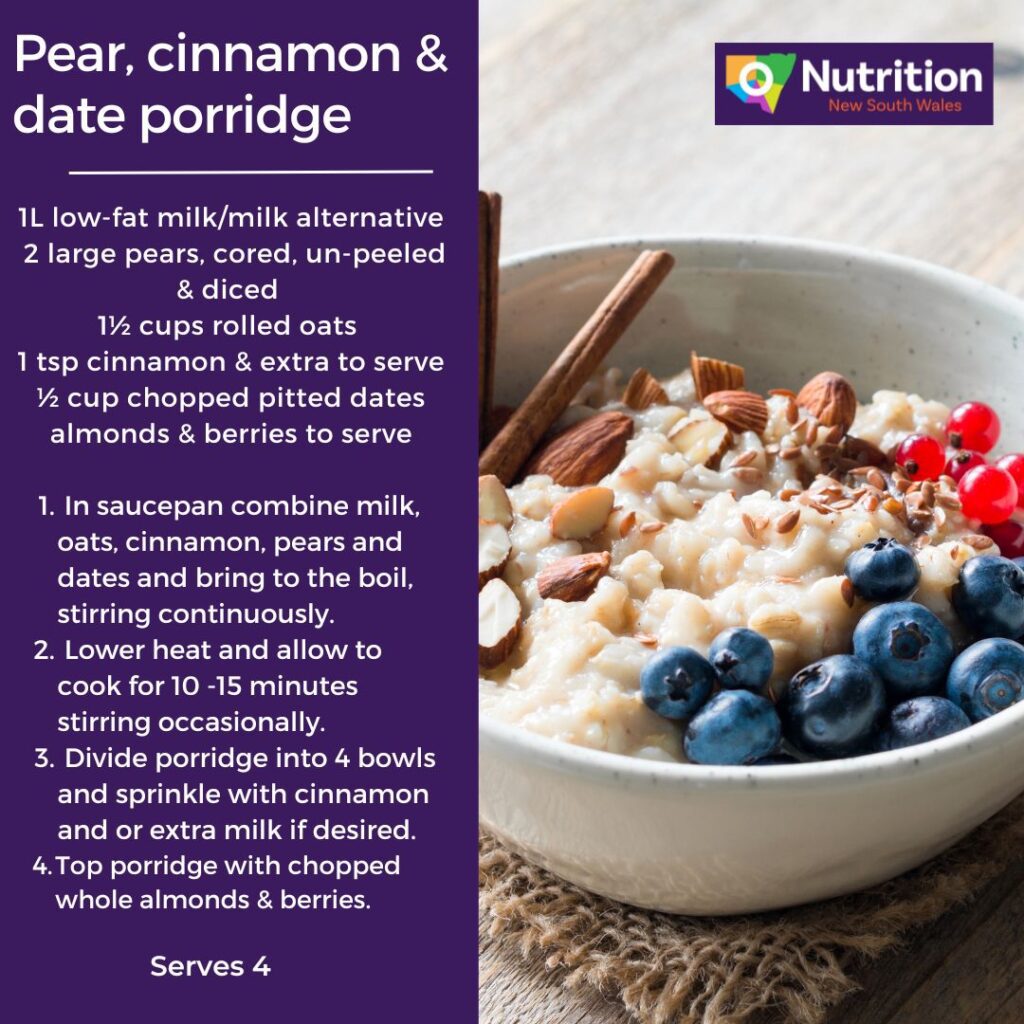
Stuck for breakfast ideas? Check out our amazing range of recipes!
To find out what is right for you, why not speak with one of our Accredited Practising Dietitians? Contact us today for your one-on-one consultation to learn more about what is the best approach for you.